

The Quiet Fear of Becoming a Burden
“The Conversation No One Quite Names
William prepared statutory declarations and advanced care plans with meticulous care. Everything was in order. Nothing left uncertain. And yet it was William, when he was in the hospice, who said to me with a mischievous smile, “I’m tired of waiting. Let’s have my funeral next week.” Billy refused to prepare an advanced care plan. She would often say that she was not sure why she was still here. She shrugged her shoulders and smiled. Nina and Bernie kept “the drugs” in a Tupperware container in the pantry. Tom said quietly, “Life is not worth living sometimes.”
These are people in my life. And if you pause for a moment, there will be people in yours as well. People who talk about it without quite talking about it.

Different circumstances. Different personalities. But the same undertone.
It is not pain alone.
Not a diagnosis alone.
Not even despair alone.
It is the fear of becoming a burden.
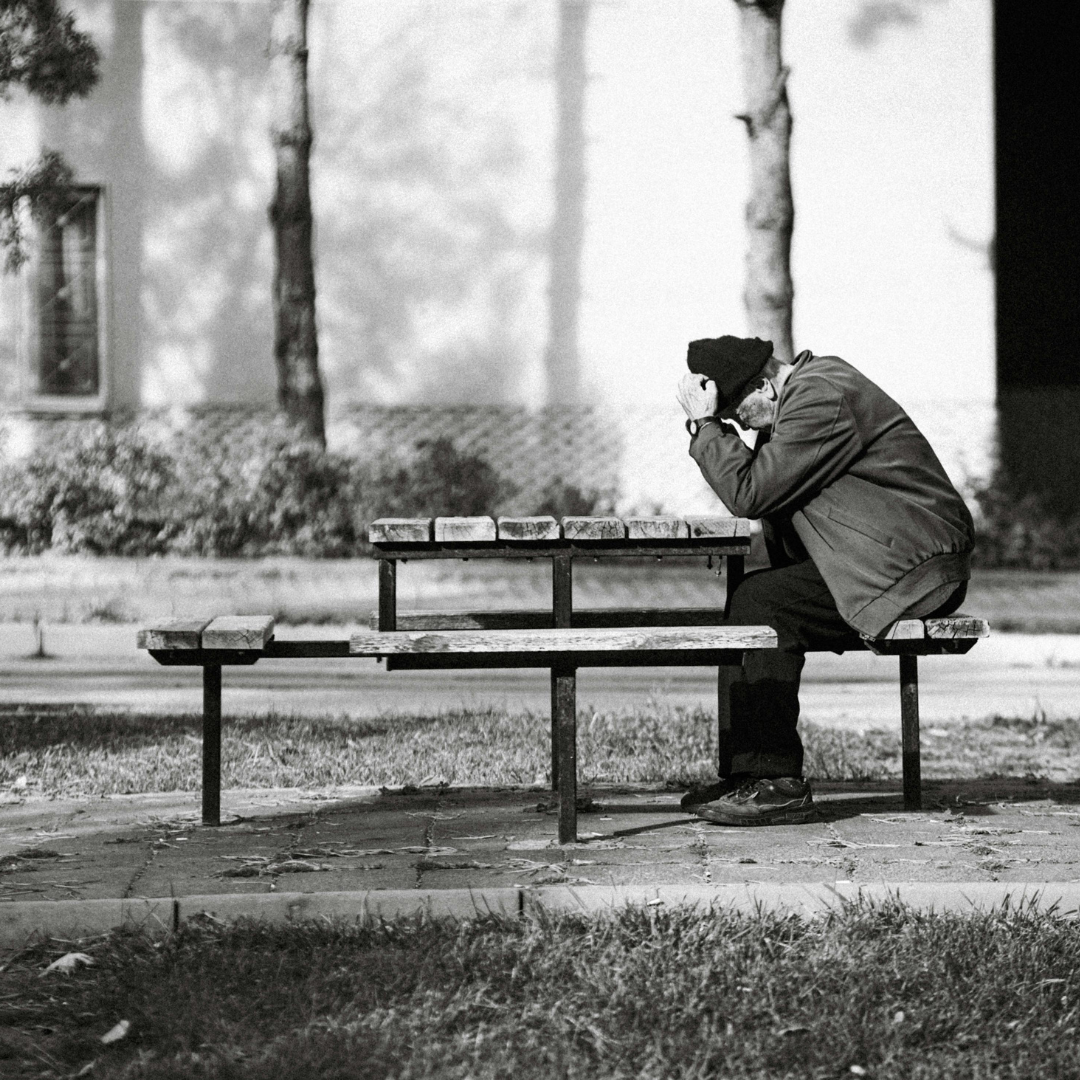
The Quiet Arithmetic of Worth
A quiet fear sits beneath many conversations. Becoming too much. Crossing an invisible line where love and care begin to feel like an inconvenience. The calculation begins with …
How much will I cost?
How long before I am more trouble than I am worth?
At what point does my need outweigh my value?

I heard the same calculation in Hong Kong from young colleagues who told me, in a workshop, that they were reluctant to marry and have children because they did not want to burden them later in life. Some said they would rather not live long enough to depend on anyone.
Different generations. Same moral climate.
Part of that climate is shaped by how we talk about ageing.
In many countries, population ageing is discussed primarily in fiscal terms. Dependency ratios signal pressure on working-age populations. Ageing is framed as a challenge for pension systems, health budgets, and labour markets. These conversations are necessary. Governments must plan for demographic change. But the language we use to describe ageing does not remain confined to policy debates. It travels with us; we have a responsibility. It enters the way people think about their own lives. When contribution is measured narrowly in economic terms, those whose capacities change can begin to question their standing. When systems are difficult to navigate or stigmatizing, dependency does not only feel hard; it also feels stigmatizing. It can begin to feel shameful. The result is subtle but powerful.
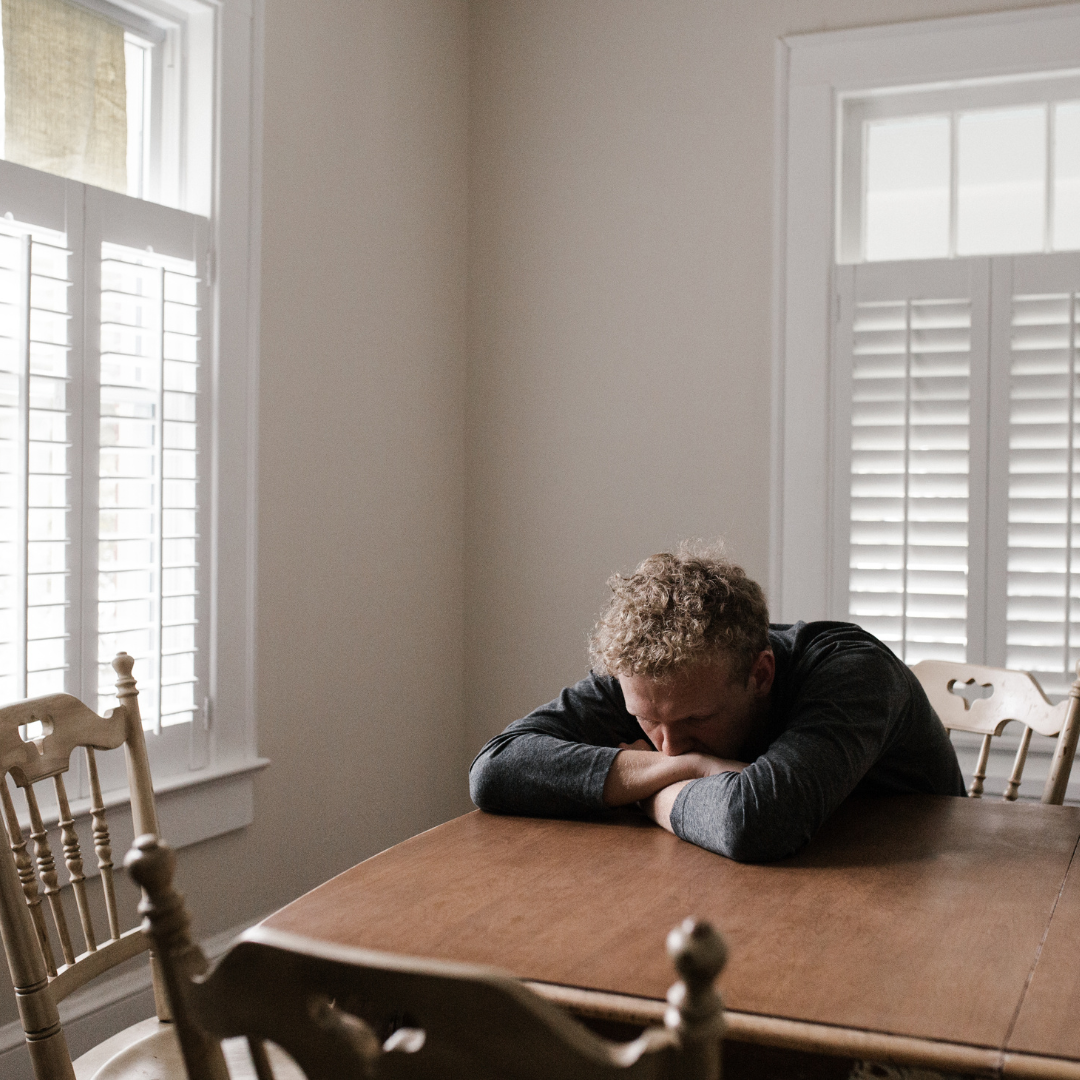
When Dependency Begins to Feel Like Failure
We have built value systems that prize autonomy above interdependence. Independence is treated as strength. Self-sufficiency as a virtue. Productivity as proof of relevance. Interdependence is tolerated. Rarely honored. Yet human life has always depended on care. At the beginning. At the end. In illness. In grief. In love. If we define worth by output, what happens when output changes? If belonging is tied to usefulness, dependency begins to feel like failure. If dependency feels like failure, disappearing early can begin to look like responsibility.
That quiet shift unsettles me.
This is not a piece about assisted dying. That conversation has its own ethical terrain. This is about something quieter and deeper. Thoughtful, capable, loving people are beginning to plan their own exit before decline arrives. Not because they want to die. Because they do not want to become a burden. If we fear becoming a burden, something important is being revealed about the moral climate around ageing. It tells us that value is still being quietly measured through usefulness, independence, and the capacity to carry one’s own weight.
Designing income security, long-term care, housing, and community support is not only a technical task. It is also a moral one.
But policy alone will not change the culture. The work is also closer to home. Notice how quickly we say, “I don’t want to be a burden.” Notice how often independence is equated with dignity. Small shifts in how we speak about growing older and care can change the atmosphere around ageing. When care is understood as something that moves in many directions across a lifetime, needing help no longer signals failure. It signals belonging. When someone worries about becoming a burden, what they are often asking is something deeper.
Will there still be a place for me here?
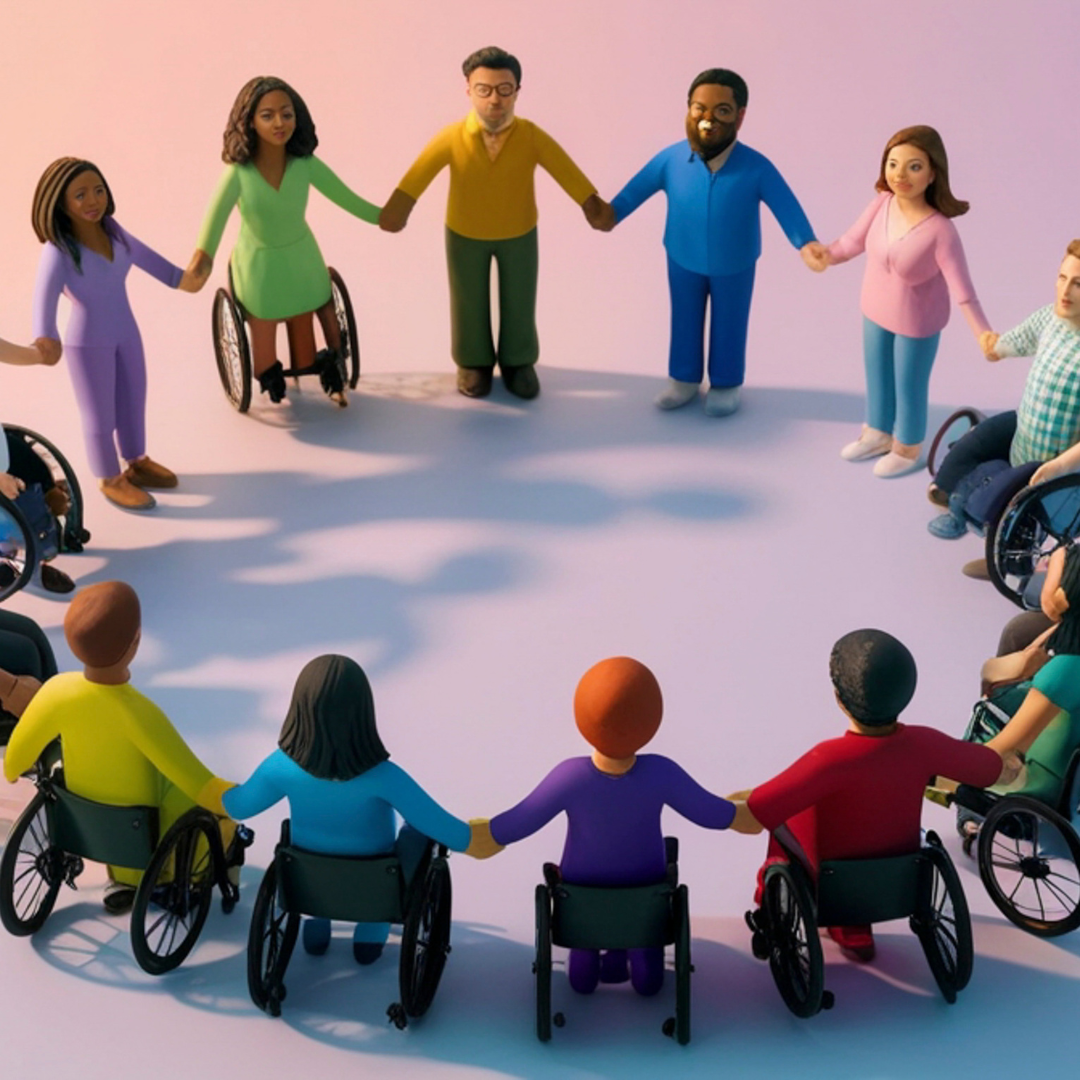
When Did Dependency Become a Moral Flaw?
The deeper question beneath all of this is simple and difficult. At some point, dependence began to feel like a moral failure rather than a normal part of being human. Worth cannot rise and fall with function. Belonging cannot expire when stamina does. A society reveals its values not only in how it treats those who need care, but in whether people feel ashamed for needing it at all.
Nina. Bernie. William. Billy. Tom. They are not case studies. They are my mirrors. The task is to create environments that enable people to continue living lives they have reason to value. And that work belongs to all of us.”